IFHP Dental Coverage for Newcomers and Refugees in Canada

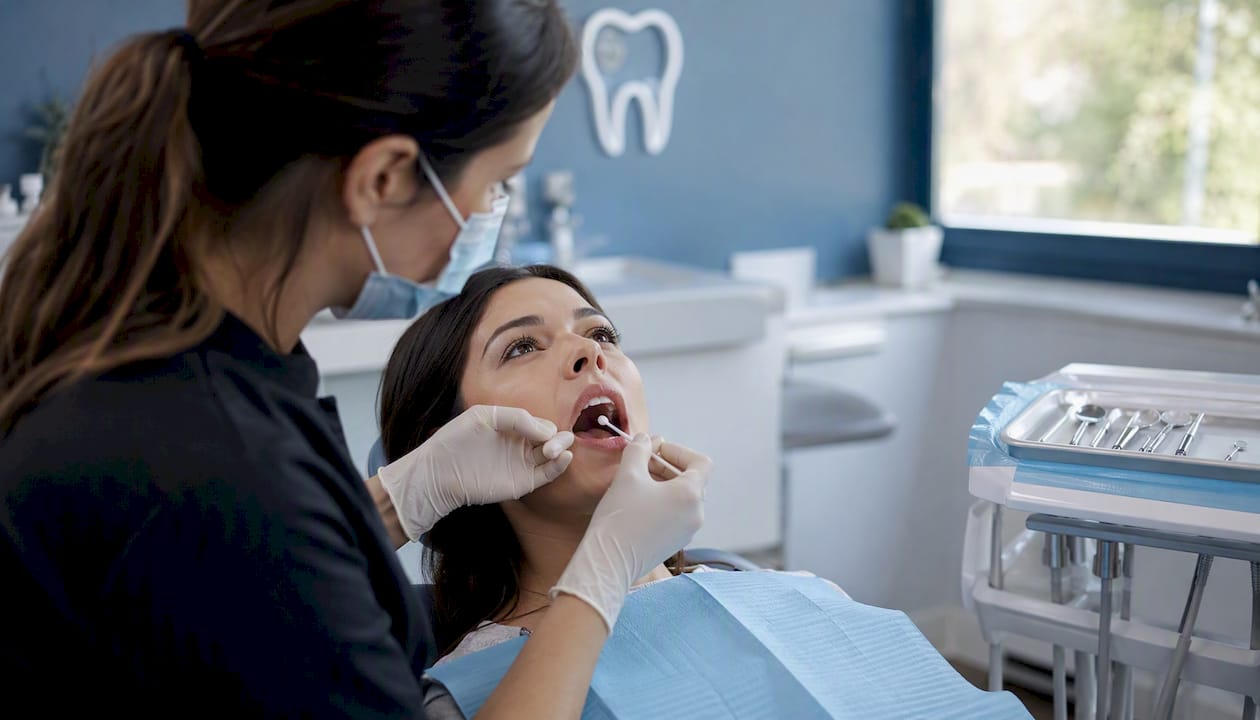
The Interim Federal Health Program (IFHP) covers urgent dental care, but it does not cover routine cleanings, preventive care, or cosmetic work. If you are in pain, have an infection, or suffered dental trauma, you are likely eligible for covered treatment. The single most important step right now: find an IFHP-registered dental provider and confirm your eligibility and co-payment amount before your appointment.
Here is what you need to know before you walk in:
What counts as urgent: tooth pain, dental infection, trauma to teeth or jaw, and certain denture needs
What to bring: your IFHP confirmation document or ID, a government-issued photo ID, and any CDCP documents if applicable
Who pays what: you pay 30% of the eligible treatment cost directly to the clinic; IFHP covers the remaining 70%
Pro Tip: Ask the clinic two questions when you call: “Are you registered with IFHP?” and “Do you also coordinate CDCP benefits?” A clinic that handles both programs can reduce your out-of-pocket costs if you qualify for the Canadian Dental Care Plan.
Key Takeaways
Point | Details |
Urgent dental is covered | IFHP pays for emergency exams, X-rays, extractions, and trauma treatment — not routine cleanings or cosmetic work. |
You pay 30% at the clinic | The mandatory co-payment applies to all supplemental benefits; confirm the dollar amount before your appointment. |
Supplemental coverage is time-limited | Dental benefits typically last 12 or 24 months depending on your resettlement or sponsorship category. |
Find a registered provider first | Use the Medavie Blue Cross provider search to confirm IFHP registration before traveling to any clinic. |
Mersaldental accepts IFHP and CDCP | Ottawa patients can book same-day emergency care with direct billing and multilingual support at Mersaldental. |
Table of Contents
Who qualifies for IFHP dental benefits and how long does coverage last?
How does billing work, including the 30% co-payment and CDCP coordination?
What happens at an urgent dental appointment and what are your rights?
Where to find the IFHP Dental Benefit Grid and how limits work
Getting urgent dental care in Ottawa: what to expect at an IFHP-friendly clinic
What does IFHP dental coverage actually include?
IFHP dental benefits are limited to urgent and medically necessary dental care. The program is not designed for maintenance. If your tooth hurts, is infected, or was knocked out, you are in the right place. If you want a cleaning or a whitening treatment, IFHP will not pay for it.
Covered urgent dental services typically include:
Emergency dental exam
Dental X-rays needed for urgent assessment
Tooth extractions for pain or infection
Treatment for dental trauma (broken or displaced teeth)
Dentures in certain urgent clinical contexts
Common exclusions:
Routine cleanings and scaling
Non-urgent fillings
Cosmetic procedures
Routine preventive care (fluoride treatments, sealants)
The official IFHP Dental Benefit Grid lists every eligible procedure code, frequency limit, and prior-approval requirement. Patients in Quebec use a separate dental grid, so always confirm which grid applies to your province.
Pro Tip: Before any treatment begins, ask the clinic to confirm which procedure codes are IFHP-eligible. This one step prevents surprise charges for services you assumed were covered.
Who qualifies for IFHP dental benefits and how long does coverage last?
IFHP is a federal program administered by Immigration, Refugees and Citizenship Canada (IRCC). Coverage is not automatic for all newcomers. You must fall into one of the named beneficiary groups.
Groups typically covered include:
Government-assisted refugees (GARs)
Privately sponsored refugees (PSRs)
Protected persons (individuals who received refugee protection in Canada)
Certain refugee claimants and other groups identified in IRCC guidance
Coverage has two tiers. Basic coverage (doctor visits, hospital care, lab tests) continues until your provincial or territorial health insurance begins, usually within about three months of arrival. Supplemental benefits, which include urgent dental care, are time-limited. Depending on your resettlement or sponsorship category, supplemental dental coverage commonly lasts 12 or 24 months. Verify your specific window with your IRCC documents.
Documents to bring to the clinic to prove IFHP eligibility:
IFHP confirmation letter or benefit card
Government-issued photo ID (passport, PR card, or equivalent)
Any IRCC correspondence showing your beneficiary category
CDCP documents if you may also qualify for that program
If you are unsure which category you fall into, contact the IFHP help line before booking your appointment.
How do you find and book a dentist that accepts IFHP?
The official starting point is the Medavie Blue Cross provider search. Medavie Blue Cross registers dental providers and processes IFHP claims on behalf of the federal government. Not every dentist in Canada accepts IFHP, so verifying registration before you travel to a clinic saves time and stress.
Step-by-step booking process:
Go to the Medavie Blue Cross IFHP provider search and filter by province and dental care.
Call the clinic and ask: “Are you registered with IFHP for dental services?”
Confirm the co-payment amount you will owe at the appointment (30% of eligible costs).
Ask whether the clinic offers direct billing to Medavie Blue Cross to avoid paying the full fee upfront.
Gather your documents: IFHP confirmation, photo ID, and CDCP documents if applicable.
If you need a translator, ask the clinic whether multilingual staff are available or arrange for someone to accompany you.
What to do if no IFHP providers are nearby:
Call the IFHP toll-free help line for referral guidance
Visit a same-day emergency dental clinic and be prepared to pay out-of-pocket, then submit a claim to Medavie Blue Cross afterward
Keep all receipts and treatment records for the reimbursement request
Always ask about this option — it is far easier than paying the full amount and waiting for reimbursement.
How does billing work, including the 30% co-payment and CDCP coordination?
The co-payment structure is straightforward but worth understanding before you sit in the dental chair. IFHP covers 70% of eligible supplemental benefit costs; you pay the remaining 30% directly to the provider. This applies to urgent dental care. For prescriptions, the co-payment is a flat $4 per eligible medication.
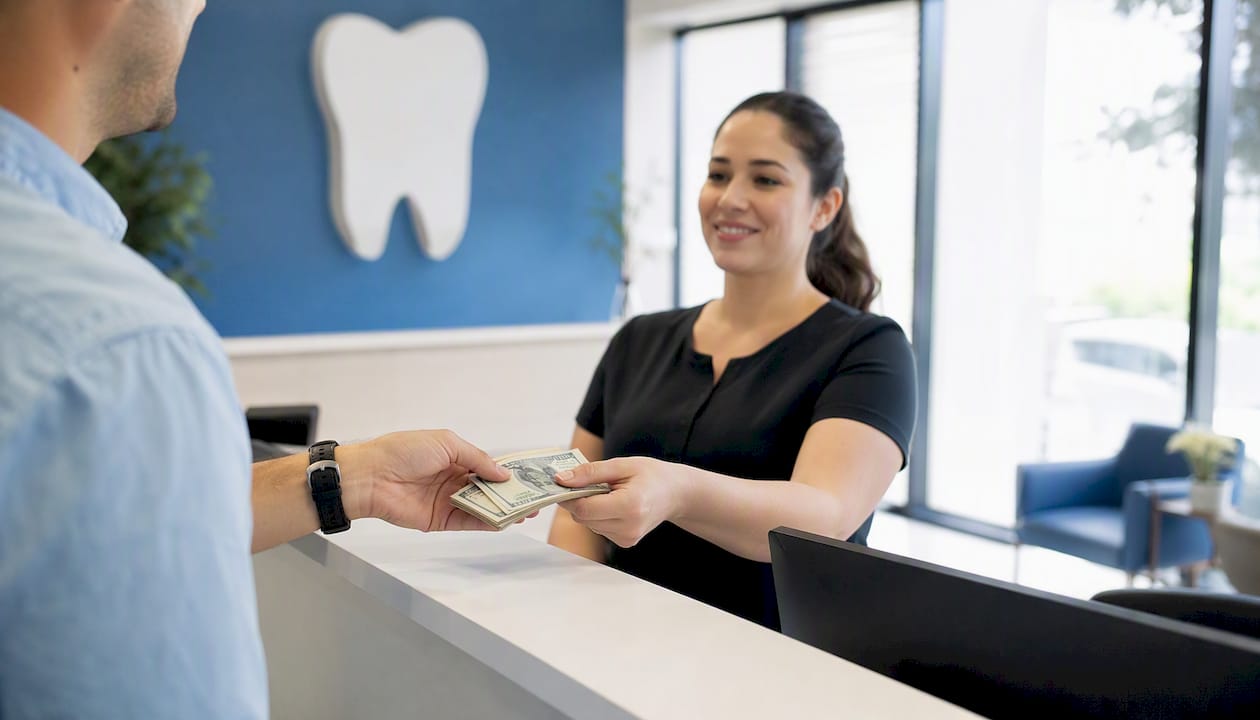
A simple cost example: If your urgent extraction and exam total a given amount in eligible costs, IFHP pays the majority and you pay your mandatory co-payment share at the clinic.
Medavie Blue Cross handles provider registration and claims processing. The clinic submits the claim directly to Medavie; you do not need to file paperwork yourself when the provider offers direct billing.
If you are eligible for both IFHP and the Canadian Dental Care Plan (CDCP), IFHP acts as the first payer and the two programs can be coordinated to reduce your costs further. This coordination is administratively involved, so a clinic with experience in both programs handles it more smoothly. Our CDCP and IFHP program guidance explains how this works in practice.
Benefit type | Your co-payment | Notes |
Urgent dental care | 30% of eligible cost | Paid directly to the provider at the appointment |
Prescription medication | $4 per eligible prescription | Flat fee regardless of medication cost |
CDCP coordination | Reduced or eliminated | Only when both programs apply; tell the clinic upfront |
Pro Tip: Tell the clinic about possible CDCP eligibility before treatment starts. Retroactive coordination is possible but much more complicated than getting it right the first time.
What happens at an urgent dental appointment and what are your rights?
A typical urgent dental visit under IFHP follows a clear sequence. Knowing what to expect makes the experience less stressful, especially if this is your first dental appointment in Canada.
Common treatments at an urgent visit:
Clinical exam and dental X-rays
Tooth extraction for pain or infection
Temporary stabilization of a broken or displaced tooth
Referral for follow-up care if needed
The appointment flow generally goes: triage and eligibility check → exam and X-rays → treatment or referral → billing and claims submission. The clinic verifies your IFHP documents at the start, confirms your co-payment, and submits the claim to Medavie Blue Cross after treatment.
Your rights as an IFHP dental patient: You have the right to receive a written cost estimate before treatment begins. You may refuse any procedure that is not covered by IFHP without losing access to covered services. If a provider does not follow IFHP rules or charges you incorrectly, you can file a complaint through the Medavie Blue Cross IFHP Help Centre or contact IRCC directly.
For parents or guardians bringing minors: Bring the child’s IFHP documents along with your own. You will need to sign consent forms on the child’s behalf. Ask the clinic in advance whether they see pediatric patients, as some urgent-care clinics focus on adults.
Where to find the IFHP Dental Benefit Grid and how limits work
The IFHP Dental Benefit Grid is the definitive reference for what is covered, how often, and at what cost. Reading it before your appointment helps you have an informed conversation with your dentist.
What the benefit grid shows:
Eligible dental procedure codes (the specific treatments IFHP will pay for)
Frequency limits (for example, how many X-rays are covered per year)
Dollar limits per procedure
Prior-approval requirements for certain treatments
Some procedures require prior approval from Medavie Blue Cross before the clinic can proceed. If your dentist recommends a treatment that needs prior approval, the clinic must submit a request and receive confirmation before starting work. Proceeding without approval can result in a denied claim.
Quebec uses a separate dental benefit grid from the rest of Canada. If you are in Quebec, confirm with the clinic that they are using the correct provincial grid. Using the wrong grid is a common source of billing errors.
Always review the applicable benefit grid with your dentist when discussing treatment options. A clinic familiar with IFHP will walk you through covered versus non-covered procedures before treatment begins.
Getting urgent dental care in Ottawa: what to expect at an IFHP-friendly clinic
For Ottawa residents, the process of accessing IFHP dental care follows the same national steps but with some local specifics worth knowing.
When you arrive at an Ottawa clinic registered with IFHP, the front desk will ask to see your IFHP confirmation document and photo ID. They will confirm your eligibility in the Medavie Blue Cross system and discuss your co-payment before the dentist sees you. Clinics that offer direct billing submit the claim to Medavie on your behalf, so you only pay your 30% share at checkout.
What to bring to your Ottawa IFHP dental appointment:
IFHP confirmation letter or benefit card
Government-issued photo ID
CDCP documents if you may qualify
A list of any medications you are currently taking
A trusted person who can translate if needed, or ask the clinic about multilingual staff in advance
For urgent situations, same-day appointments are often available at clinics that prioritize emergency care. If you are in pain or have a dental infection, call ahead and describe your symptoms so the clinic can triage you appropriately.
Always verify IFHP registration and co-payment details at the time of booking. Clinic policies and program participation can change, and confirming in advance avoids unnecessary delays on the day of your visit.
What most guides get wrong about IFHP dental benefits
But it leaves out the part that actually trips people up.
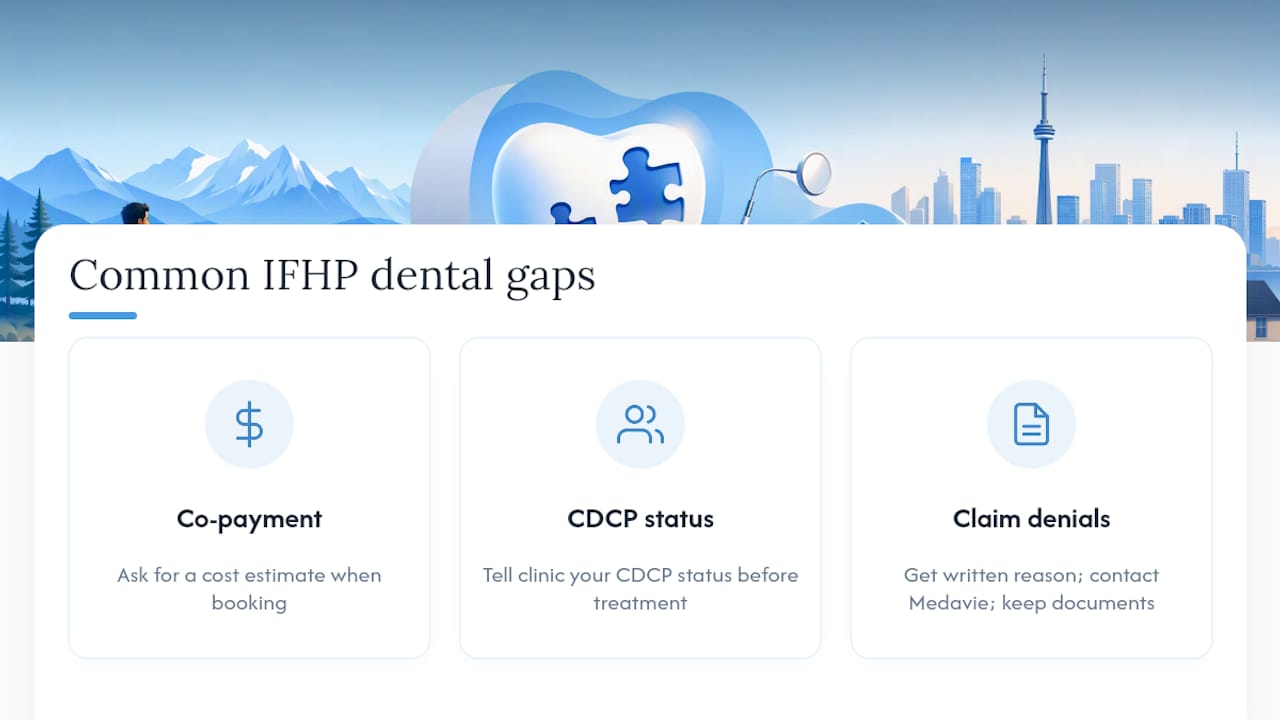
The biggest practical gap is the co-payment confirmation step. Clinics are within their rights to decline treatment if the co-payment cannot be covered. The solution is simple but rarely stated clearly: ask for a cost estimate when you book, not when you arrive. A five-minute phone call before your appointment can prevent a stressful situation in the waiting room.
The second gap is CDCP coordination. Eligible patients who do not mention their CDCP status upfront often end up paying more than they need to. Benefit coordination between IFHP and CDCP is not automatic. The clinic must know about both programs before treatment begins to coordinate them correctly. A clinic experienced with both programs, like those that list government program participation prominently, handles this far more efficiently than one that rarely sees IFHP patients.
The third thing most guides skip entirely: what to do when a claim is denied. If your IFHP dental claim is rejected, ask the clinic for a written explanation of the denial, contact the Medavie Blue Cross IFHP Help Centre directly, and keep all documentation. Many denials result from missing prior approval or incorrect procedure codes, both of which can be corrected and resubmitted.
Urgent dental care in Ottawa for IFHP and CDCP patients
Mersaldental, located in lower town Ottawa, accepts both IFHP and CDCP patients and offers same-day emergency appointments. Our multilingual team is comfortable working with newcomers and refugees, and we are familiar with the coordination steps required when both IFHP and CDCP benefits apply.
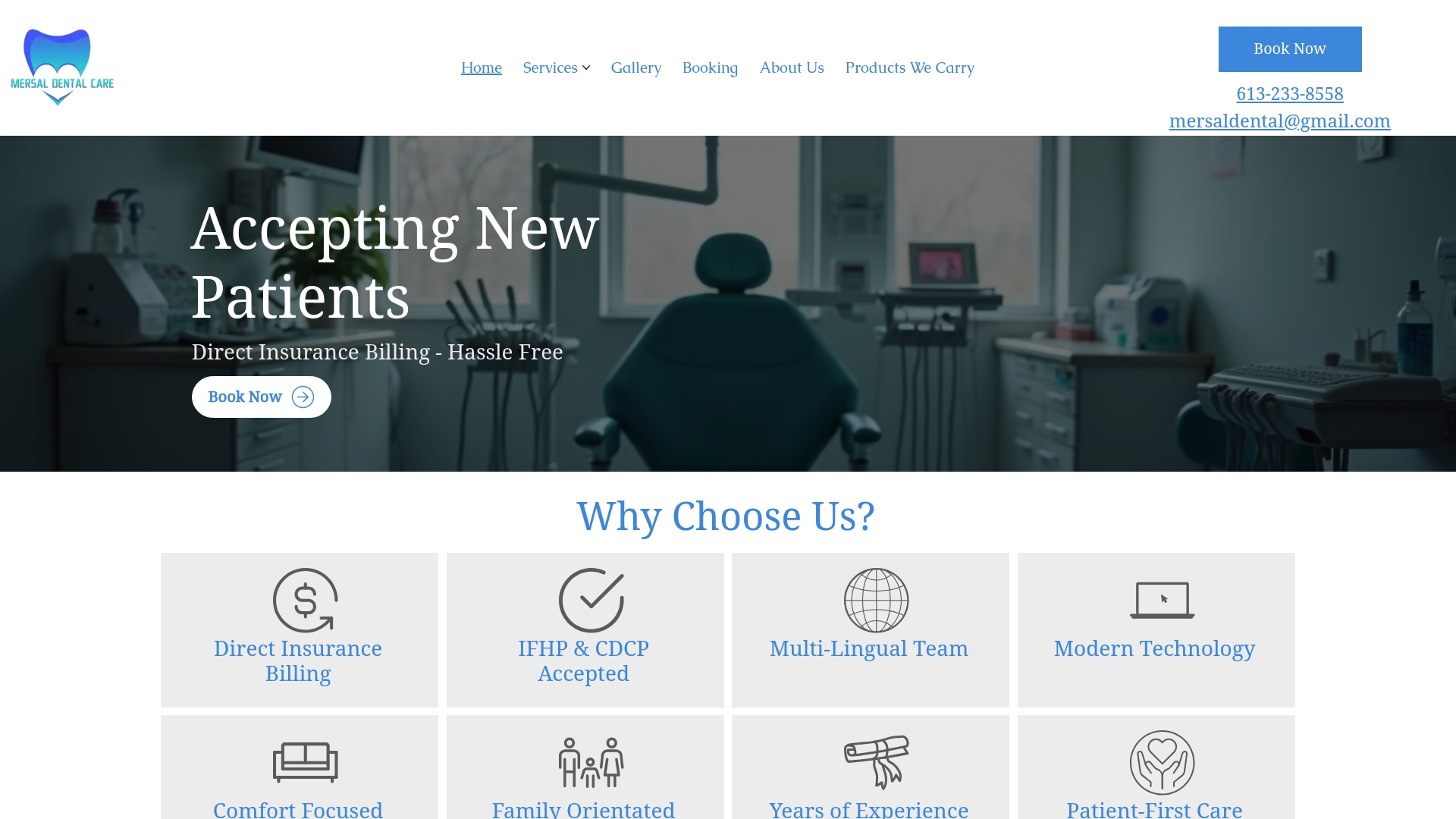
If you are in pain or have a dental infection, do not wait. Call us or visit our emergency dental care page to book a same-day appointment. Have your IFHP confirmation, photo ID, and any CDCP documents ready when you call. We will confirm your coverage and co-payment before your visit so there are no surprises at checkout. For a full overview of how we support IFHP and CDCP patients, visit our CDCP and IFHP program page.
Please verify your IFHP registration status and co-payment amount with our team at the time of booking, as program details and clinic participation can change.
Sources
Use these pages to confirm your eligibility, co-payment rules, and benefit details before your appointment:
This article is general information, not a substitute for advice from a qualified doctor. Consult a qualified healthcare professional about your own circumstances before acting on anything here.
Recommended
Comments