Your Temporary Crown Came Off: What to Do Now

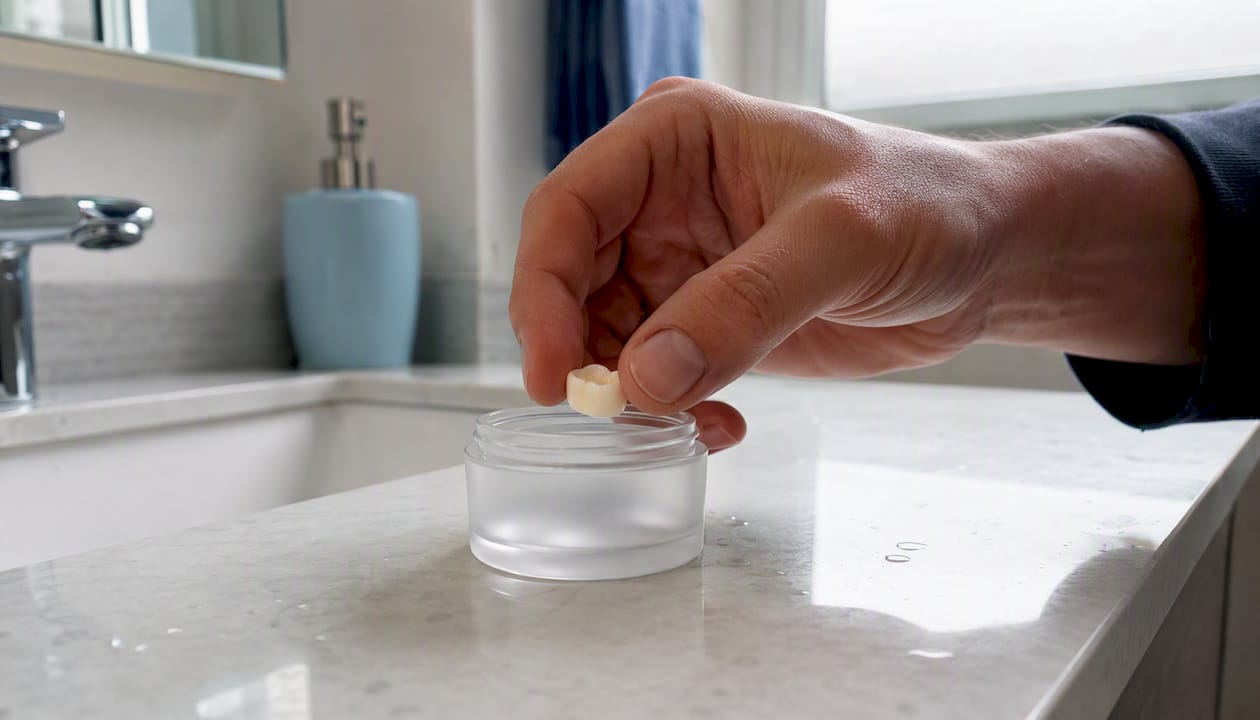
Find the crown, rinse it gently with lukewarm water, and avoid chewing on that side. That’s the immediate priority when a temporary crown comes off. If you’re also experiencing severe pain, visible swelling, or signs of a broken tooth, call your dentist right away for same-day care. For most people, though, this is manageable and not a crisis.
Act immediately if you notice:
Severe or worsening pain that doesn’t ease up
Swelling around the tooth or jaw
Visible cracking or fracture of the tooth underneath
Do right now:
Keep the crown safe in a small container or zip-lock bag
Rinse your mouth gently with lukewarm saltwater
Avoid eating or drinking on that side of your mouth
Don’t:
Use superglue or any household adhesive on the crown
Throw the crown away, even if it looks damaged
Key Takeaways
When a temporary crown comes off, the most important actions are to keep the crown, protect the tooth, and contact your dentist within 24–48 hours unless red-flag symptoms require same-day care.
Point | Details |
Find and keep the crown | Store it in a container or zip-lock bag; bring it to every appointment. |
Rinse with lukewarm water only | Hot water warps acrylic temporaries and ruins the fit. |
Use OTC cement as a short-term bridge | Pharmacy temporary cement or denture adhesive buys time; it is not a permanent fix. |
Know the red flags | Severe pain, swelling, fracture, or infection signs mean call for same-day care immediately. |
Mersaldental offers same-day help | Ottawa patients can call for emergency re-cementation with direct insurance billing and CDCP accepted. |
Table of Contents
What to Do the Minute Your Temporary Crown Falls Off
Working through this in order makes a real difference. Here’s the sequence that protects the tooth and sets you up for a smooth dental visit.
Step 1: Safely retrieve the crown
If the crown is still in your mouth, remove it carefully without biting down. Place it in a small container or a zip-lock bag. Don’t wrap it in tissue — as it’s easy to accidentally throw it away. If you’re not sure where it went, check your food or drink.
Step 2: Rinse the crown and inspect the tooth
Rinse the crown under lukewarm or cold water. Never use hot water. Temporary crowns are typically made of resin or acrylic, and heat can warp the shape enough that it no longer fits the prepared tooth correctly. Look inside the crown for any cement residue or cracks. Then gently rinse your mouth with cool water and look at the exposed tooth in a mirror.
Step 3: Clean the exposed tooth gently
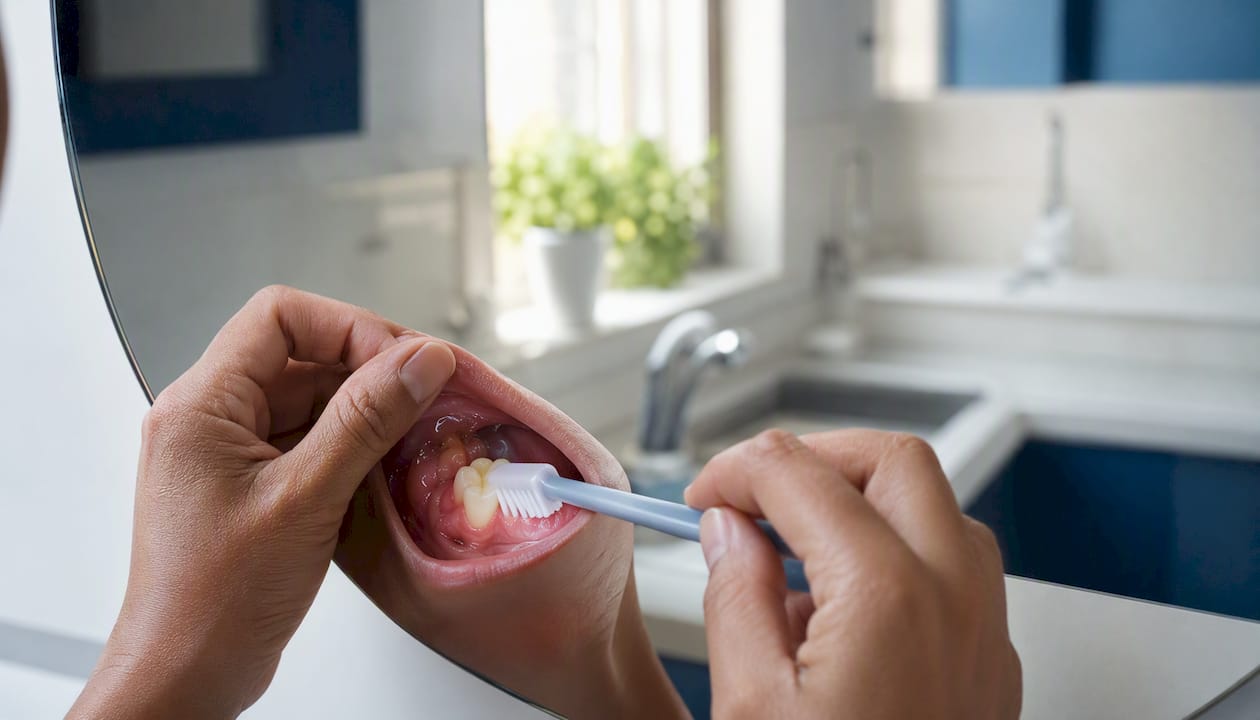
Use a soft-bristled toothbrush to lightly clean the prepared tooth and surrounding gum. A gentle saltwater rinse helps reduce bacteria and soothe irritated tissue. Don’t scrub hard — the prepared tooth surface is sensitive.
Step 4: Protect the tooth short-term
If you can’t get to a dentist immediately, you can try to re-seat the crown (see the next section). If that’s not possible, cover the area with dental wax or a small piece of sugar-free gum pressed over the margin. Avoid chewing on that side entirely.
Safety caution: Never force a crown that doesn’t seat naturally. If it feels off-angle or won’t settle into place, stop. Forcing it can damage the tooth or make the crown unwearable.
Pro Tip: Before biting down to seat a crown, align it visually first. Place it over the tooth, confirm it’s oriented correctly, then bite down very gently and evenly. Biting down hard or at an angle can crack the temporary.
Can You Reattach the Crown at Home?
Yes, you can often re-seat a temporary crown yourself for a short period. This is not a permanent fix, and it doesn’t replace a dental visit. But it does protect the prepared tooth and reduce sensitivity while you wait.
OTC options that are appropriate:
Temporary crown cement kits (available at most Canadian pharmacies): These are the most reliable short-term option. Some come as two-part kits that offer a stronger hold, which can be helpful if the crown has come off more than once. Pharmacy temporary dental cements and denture fixatives are both considered appropriate short-term measures.
Denture adhesive cream: Products like Fixodent or Polident can hold a temporary crown in place for a day or two. Apply a very small amount inside the crown before seating.
Petroleum jelly: This provides minimal hold and is really only useful for a few hours, but it can reduce sensitivity and keep debris out of the prepared tooth while you arrange care.
How to use OTC temporary cement:
Clean the inside of the crown with a cotton swab and let it dry.
Apply a small amount of cement to the inside of the crown, following the product instructions.
Seat the crown over the tooth, aligning it carefully before pressing down.
Bite down gently on a cotton roll or folded gauze for the time specified on the packaging.
Wipe away any excess cement from the gumline with a cotton swab.
What to avoid:
Superglue or any household adhesive. These are toxic to oral tissue and can permanently damage the tooth surface, making it harder for your dentist to properly seat the permanent crown.
Heating the crown to “soften” it or improve fit. Heat distorts acrylic.
Treating OTC re-seating as a long-term solution. These materials are not designed to hold for weeks.
Is This a Dental Emergency?
Most of the time, a temporary crown falling off is not a dental emergency. Temporary crowns are cemented with intentionally weaker cement so they can be removed easily at your second visit. That same design means they’re vulnerable to sticky foods and flossing errors. Coming off is inconvenient, not dangerous, in most cases.
Call for same-day care if you have any of these:
Severe pain that is spontaneous or getting worse
Visible swelling in the gum, jaw, or face
Bleeding that doesn’t stop with gentle pressure
A visible crack or fracture in the tooth underneath the crown
Signs of infection: fever, bad taste, pus, or a pimple-like bump on the gum
Difficulty breathing or swallowing (this is a medical emergency — go to the ER)
When it’s okay to wait until the next business day:
If you have no pain or only mild sensitivity, no swelling, and the tooth looks intact, you can wait 24–48 hours as long as you protect the tooth in the meantime. Call your dental office first thing in the morning and let them know what happened. Most clinics will prioritize re-cementation appointments because they’re quick. For urgent guidance on same-day dental emergencies, knowing what qualifies helps you make the right call.
How to Care for the Tooth While You Wait
The goal during this window is simple: keep the area clean, avoid making things worse, and manage any discomfort.
Eating and drinking:
Stick to soft, room-temperature foods: yogurt, scrambled eggs, mashed potatoes, soup (not too hot).
Avoid sticky foods like caramel, gummy candies, or chewy bread — these can pull a re-seated crown right back off.
Skip hard foods: raw carrots, nuts, ice, crusty bread.
Very hot or very cold drinks can trigger sharp sensitivity on the exposed tooth. Room temperature is safest.
Brushing and flossing:
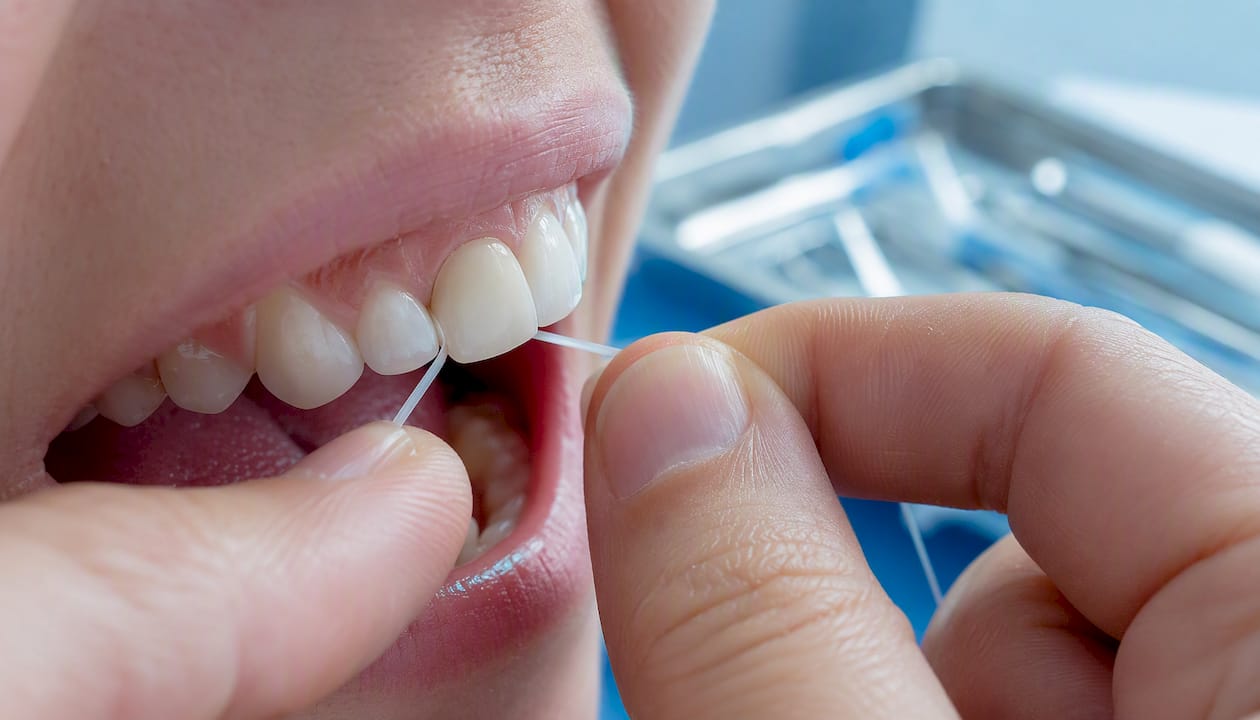
Use a soft-bristled toothbrush and brush gently around the temporary. For flossing adjacent teeth, slide the floss out to the side rather than pulling it upward — that upward snap is what lifts a temporary crown off. This modified flossing technique significantly reduces the risk of dislodging a re-seated temporary.
Pain control:
Over-the-counter analgesics like acetaminophen or ibuprofen, taken as directed on the label, are usually enough to manage mild discomfort. If pain is worsening despite medication, that’s a signal to call your dentist sooner. Sudden sensitivity to temperature on a tooth that wasn’t sensitive before can also indicate the tooth needs attention. For more on what’s happening with that tooth, one-tooth sensitivity is worth understanding.
Pro Tip: When flossing the teeth next to a temporarily re-seated crown, hold both ends of the floss and slide it gently out from the side. Never snap it upward. That one change prevents most repeat dislodgements.
Behavior | Effect on the tooth |
Eating soft, room-temp foods | Protects the temporary and reduces sensitivity |
Chewing on the affected side | Risks dislodging the crown again |
Gentle brushing with soft bristles | Keeps the area clean without disturbing the margin |
Snapping floss upward | Can lift the crown off immediately |
Very hot or cold drinks | Triggers sharp sensitivity on the prepared tooth |
OTC pain reliever as directed | Manages mild discomfort safely |
How Long Can You Safely Wait?
A lab-made permanent crown typically takes about several weeks to complete. The temporary crown is designed specifically for that short interval. It’s not built to last longer, and leaving a prepared tooth unprotected for more than a day or two raises real risks.
Leaving the tooth exposed can lead to increased sensitivity, bacterial contamination of the prepared surface, and minor tooth movement. Even small shifts in tooth position can affect how well the permanent crown fits when it arrives. Getting the temporary re-cemented quickly protects that investment.
Same-day crown options: Some dental practices offer CAD/CAM same-day milling, which can complete the entire crown procedure in a single visit, sometimes in as little as 90–120 minutes. If your practice offers this, the temporary phase may be skipped entirely. Ask your dentist whether this is available for your case.
Scenario | Recommended action |
No pain, crown intact, no red flags | Call dentist; re-cement within 24–48 hours |
Mild sensitivity, crown intact | Use OTC cement; book appointment same day |
Severe pain, swelling, or fracture | Call for same-day emergency care immediately |
Crown broken or lost | Cover tooth with dental wax; call dentist now |
If the Crown Is Broken or Lost
If the temporary crown is cracked, broken, or simply gone, you still have options to protect the tooth until your appointment.
Immediate steps:
Cover the exposed tooth margin with dental wax or a small piece of sugar-free gum pressed gently over the area. This reduces irritation and keeps food debris out.
Avoid chewing on that side entirely.
Keep the area clean with gentle brushing and saltwater rinses.
If you find the crown even in pieces, keep it. Your dentist may still be able to use it as a reference for fit and shape, or confirm that a remake is needed. Dental wax and sugar-free gum are safe short-term coverings; household adhesives are not.
What to bring to your appointment:
The crown or any pieces of it
The packaging from any OTC cement you used
A brief note of your symptoms: when it came off, any pain level, sensitivity triggers
Your insurance card and any prior dental records if you’re a new patient
How to Reduce the Risk of It Happening Again
Temporary crowns come off for predictable reasons: sticky or hard foods, incorrect flossing, clenching, and sometimes just the nature of the tooth shape and cement. Most of these are controllable.
Steps that make a real difference:
Chew exclusively on the opposite side of your mouth for the entire temporary phase.
Cut out sticky foods entirely: caramel, gum, chewy candy, and even some breads.
Use the slide-out flossing technique every time, on every tooth adjacent to the temporary.
If you clench or grind at night, ask your dentist about a night guard for the temporary phase.
Avoid using toothpicks or any sharp tool near the crown margin.
Pro Tip: If your temporary has come off more than once, ask your dentist about using a stronger temporary cement or whether a same-day permanent crown is an option for your case. Some two-part OTC cement kits also provide a more durable hold than standard single-component products.
The shape of the prepared tooth also plays a role. Short or tapered teeth give the temporary less surface area to grip, making dislodgement more likely regardless of diet. Your dentist can sometimes modify the temporary’s fit to compensate.
What We Tell Patients When Their Temporary Crown Comes Off
Most patients who call us about a temporary crown coming off are relieved to hear the same thing: this is one of the most common and straightforward situations we handle. In the vast majority of cases, the tooth is fine and the temporary just needs to be re-cemented.
When you come in, we check the crown for cracks or distortion, examine the prepared tooth for any new damage or cement residue, and confirm the margins and bite are still correct. If the temporary is intact, re-cementation takes only a few minutes. If it’s damaged, we can make a new temporary on the same visit. We also review what caused it to come off so we can reduce the chance of it happening again before your permanent crown is ready.
Bringing the crown with you, even if it’s broken, helps us work faster and gives us useful information about fit. Photos of the tooth taken right after it came off can also be helpful if you can’t get in immediately.
Same-Day Crown Help at Mersaldental in Ottawa

If your temporary crown came off and you’re in Ottawa, Mersaldental offers same-day re-cementation and emergency dental care for exactly this situation. When you call, our team will triage your symptoms quickly over the phone and get you in as soon as possible. Most re-cement visits are brief: a quick exam, cleaning of the prepared tooth, re-seating the temporary, and a bite check. We’ll also walk you through what to expect for the permanent crown timeline.
We accept direct insurance billing and the Canadian Dental Care Plan (CDCP), so cost concerns don’t have to delay your care. Bring your crown, any OTC cement packaging, your insurance card, and a note of your symptoms. Our crown and bridge services cover everything from temporary re-cementation to full permanent crown placement. Call us or book online to get seen today.
Sources
This article is general information, not a substitute for advice from a qualified doctor. Consult a qualified healthcare professional about your own circumstances before acting on anything here.
Recommended
Comments